*This page contains affiliate links, so we may earn a small commission when you make a purchase through links on our site at no additional cost to you.
Send NetGalley books directly to your Kindle or Kindle app
To read on a Kindle or Kindle app, please add kindle@netgalley.com as an approved email address to receive files in your Amazon account. Click here for step-by-step instructions.
2
Also find your Kindle email address within your Amazon account, and enter it here.
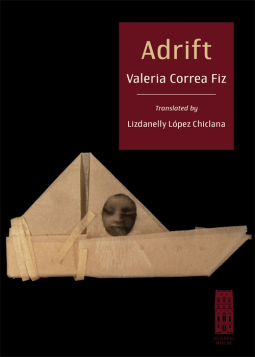
The poems in Adrift focus on erotic desire, loss, and exile, and reveal two central tensions of the human condition: what one possesses and what slips away; what is desired and what can never be fully attained. This personal anthology by the award-winning Argentine poet, highly celebrated in Spain, offers a deep reflection on the transient nature of passions and life, and embraces language as a place where the fleeting can find a form of permanence. In this collection, the written word stands as a tool to combat the void, a balm that covers the wounds of loss and absence. The book closes with one final question: who controls the poetic act, the poet or the words themselves? That tension between control and surrender, and the instability it creates, is part of the mystery of the poetic craft—and of life itself.
The poems in Adrift focus on erotic desire, loss, and exile, and reveal two central tensions of the human condition: what one possesses and what slips away; what is desired and what can never be...
The poems in Adrift focus on erotic desire, loss, and exile, and reveal two central tensions of the human condition: what one possesses and what slips away; what is desired and what can never be fully attained. This personal anthology by the award-winning Argentine poet, highly celebrated in Spain, offers a deep reflection on the transient nature of passions and life, and embraces language as a place where the fleeting can find a form of permanence. In this collection, the written word stands as a tool to combat the void, a balm that covers the wounds of loss and absence. The book closes with one final question: who controls the poetic act, the poet or the words themselves? That tension between control and surrender, and the instability it creates, is part of the mystery of the poetic craft—and of life itself.
*This page contains affiliate links, so we may earn a small commission when you make a purchase through links on our site at no additional cost to you.
*This page contains affiliate links, so we may earn a small commission when you make a purchase through links on our site at no additional cost to you.
Average rating from 3 members
This site uses cookies. By continuing to use the site, you are agreeing to our cookie policy. You'll also find information about how we protect your personal data in our privacy policy.