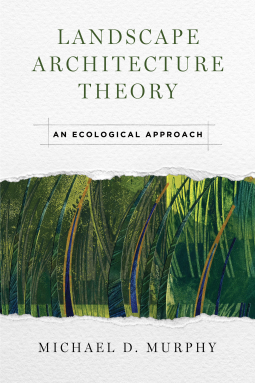
Landscape Architecture Theory
An Ecological Approach
This title was previously available on NetGalley and is now archived.
Buy on Amazon
Buy on BN.com
Buy on Bookshop.org
*This page contains affiliate links, so we may earn a small commission when you make a purchase through links on our site at no additional cost to you.
Send NetGalley books directly to your Kindle or Kindle app
1
To read on a Kindle or Kindle app, please add kindle@netgalley.com as an approved email address to receive files in your Amazon account. Click here for step-by-step instructions.
2
Also find your Kindle email address within your Amazon account, and enter it here.
Pub Date Oct 18 2016 | Archive Date Mar 8 2022
Description
For decades, landscape architecture was driven solely by artistic sensibilities. But in these times of global change, the opportunity to reshape the world comes with a responsibility to consider how it can be resilient, fostering health and vitality for humans and nature. Landscape Architecture Theory re-examines the fundamentals of the field, offering a new approach to landscape design.
Drawing on his extensive career in teaching and practice, Michael Murphy begins with an examination of influences on landscape architecture: social context, contemporary values, and the practicalities of working as a professional landscape architect. He then delves into systems and procedural theory, while making connections to ecosystem factors, human factors, utility, aesthetics, and the design process. He concludes by showing how a strong theoretical understanding can be applied to practical, every-day decision making and design work to create more holistic, sustainable, and creative landscapes.
Students will take away a foundational understanding of the underpinnings of landscape architecture theory, as well as how it can be applied to real-world designs; working professionals will find stimulating insights to infuse their projects with a greater sense of purpose.
Drawing on his extensive career in teaching and practice, Michael Murphy begins with an examination of influences on landscape architecture: social context, contemporary values, and the practicalities of working as a professional landscape architect. He then delves into systems and procedural theory, while making connections to ecosystem factors, human factors, utility, aesthetics, and the design process. He concludes by showing how a strong theoretical understanding can be applied to practical, every-day decision making and design work to create more holistic, sustainable, and creative landscapes.
Students will take away a foundational understanding of the underpinnings of landscape architecture theory, as well as how it can be applied to real-world designs; working professionals will find stimulating insights to infuse their projects with a greater sense of purpose.
Available Editions
| EDITION | Paperback |
| ISBN | 9781610917513 |
| PRICE | $40.00 (USD) |
Available to Buy
Buy on Amazon Buy on BN.com Buy on Bookshop.org*This page contains affiliate links, so we may earn a small commission when you make a purchase through links on our site at no additional cost to you.