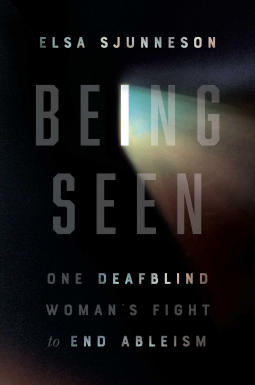
Being Seen
One Deafblind Woman's Fight to End Ableism
This title was previously available on NetGalley and is now archived.
Buy on Amazon
Buy on BN.com
Buy on Bookshop.org
*This page contains affiliate links, so we may earn a small commission when you make a purchase through links on our site at no additional cost to you.
Send NetGalley books directly to your Kindle or Kindle app
1
To read on a Kindle or Kindle app, please add kindle@netgalley.com as an approved email address to receive files in your Amazon account. Click here for step-by-step instructions.
2
Also find your Kindle email address within your Amazon account, and enter it here.
Pub Date Oct 26 2021 | Archive Date Oct 19 2021
Tiller Press | S&S/Simon Element
Description
A Deafblind writer and professor explores how the misrepresentation of disability in books, movies, and TV harms both the disabled community and everyone else.
As a Deafblind woman with partial vision in one eye and bilateral hearing aids, Elsa Sjunneson lives at the crossroads of blindness and sight, hearing and deafness—much to the confusion of the world around her. While she cannot see well enough to operate without a guide dog or cane, she can see enough to know when someone is reacting to the visible signs of her blindness and can hear when they’re whispering behind her back. And she certainly knows how wrong our one-size-fits-all definitions of disability can be.
As a media studies professor, she’s also seen the full range of blind and deaf portrayals on film, and here she deconstructs their impact, following common tropes through horror, romance, and everything in between. Part memoir, part cultural criticism, part history of the Deafblind experience, Being Seen explores how our cultural concept of disability is more myth than fact, and the damage it does to us all.
As a Deafblind woman with partial vision in one eye and bilateral hearing aids, Elsa Sjunneson lives at the crossroads of blindness and sight, hearing and deafness—much to the confusion of the world around her. While she cannot see well enough to operate without a guide dog or cane, she can see enough to know when someone is reacting to the visible signs of her blindness and can hear when they’re whispering behind her back. And she certainly knows how wrong our one-size-fits-all definitions of disability can be.
As a media studies professor, she’s also seen the full range of blind and deaf portrayals on film, and here she deconstructs their impact, following common tropes through horror, romance, and everything in between. Part memoir, part cultural criticism, part history of the Deafblind experience, Being Seen explores how our cultural concept of disability is more myth than fact, and the damage it does to us all.
Available Editions
| EDITION | Other Format |
| ISBN | 9781982152376 |
| PRICE | CA$33.99 (CAD) |
| PAGES | 288 |
Available to Buy
Buy on Amazon Buy on BN.com Buy on Bookshop.org*This page contains affiliate links, so we may earn a small commission when you make a purchase through links on our site at no additional cost to you.
Average rating from 15 members
Readers who liked this book also liked:

Book Club Kit: The Cave by Amani Ballour; Rania Abouzeid
We Are Bookish
Biographies & Memoirs, Health, Mind & Body, Nonfiction (Adult)
We Are Bookish
Biographies & Memoirs, Health, Mind & Body, Nonfiction (Adult)


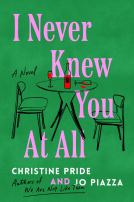
I Never Knew You At All
Christine Pride; Jo Piazza
General Fiction (Adult), Multicultural Interest, Women's Fiction
Christine Pride; Jo Piazza
General Fiction (Adult), Multicultural Interest, Women's Fiction
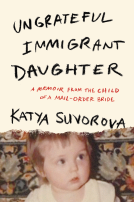
Ungrateful Immigrant Daughter
Katya Suvorova
Biographies & Memoirs, General Fiction (Adult), Parenting, Families, Relationships
Katya Suvorova
Biographies & Memoirs, General Fiction (Adult), Parenting, Families, Relationships
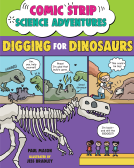
Comic Strip Science Adventures: Digging for Dinosaurs
Paul Mason
Children's Nonfiction, Comics, Graphic Novels, Manga, Science
Paul Mason
Children's Nonfiction, Comics, Graphic Novels, Manga, Science
Comic Strip Science Adventures: Exploring Space
Paul Mason
Children's Nonfiction, Comics, Graphic Novels, Manga, Science
Paul Mason
Children's Nonfiction, Comics, Graphic Novels, Manga, Science