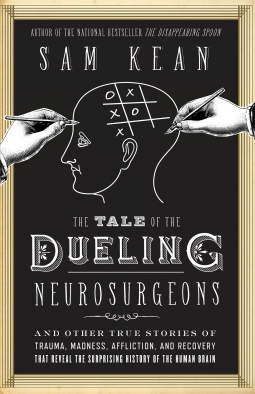
The Tale of the Dueling Neurosurgeons
The History of the Human Brain as Revealed by True Stories of Trauma, Madness, and Recovery
This title was previously available on NetGalley and is now archived.
Buy on Amazon
Buy on BN.com
Buy on Bookshop.org
*This page contains affiliate links, so we may earn a small commission when you make a purchase through links on our site at no additional cost to you.
Send NetGalley books directly to your Kindle or Kindle app
1
To read on a Kindle or Kindle app, please add kindle@netgalley.com as an approved email address to receive files in your Amazon account. Click here for step-by-step instructions.
2
Also find your Kindle email address within your Amazon account, and enter it here.
Pub Date May 6 2014 | Archive Date May 6 2014
Description
<strong>The author of the bestseller <i>The Disappearing Spoon</i> reveals the secret inner workings of the brain through strange but true stories.<br><br></strong>Early studies of the human brain used a simple method: wait for misfortune to strike -- strokes, seizures, infectious diseases, horrendous accidents -- and see how victims coped. In many cases their survival was miraculous, if puzzling. Observers were amazed by the transformations that took place when different parts of the brain were destroyed, altering victims' personalities. Parents suddenly couldn't recognize their own children. Pillars of the community became pathological liars. Some people couldn't speak but could still sing. <br><br>In <i>The Tale of the Dueling Neurosurgeons</i>, Sam Kean travels through time with stories of neurological curiosities: phantom limbs, Siamese twin brains, viruses that eat patients' memories, blind people who see through their tongues. He weaves these narratives together with prose that makes the pages fly by, to create a story of discovery that reaches back to the 1500s and the high-profile jousting accident that inspired this book's title.* With the lucid, masterful explanations and razor-sharp wit his fans have come to expect, Kean explores the brain's secret passageways and recounts the forgotten tales of the ordinary people whose struggles, resilience, and deep humanity made neuroscience possible. <br><br>*"The Tale of the Dueling Neurosurgeons" refers to the case of French king Henri II, who in 1559 was lanced through the skull during a joust, resulting in one of the most significant cases in neuroscience history. For hundreds of years scientists have gained important lessons from traumatic accidents and illnesses, and such misfortunes still represent their greatest resource for discovery.
Available Editions
| EDITION | Hardcover |
| ISBN | 9780316182348 |
| PRICE | $27.00 (USD) |
Available to Buy
Buy on Amazon Buy on BN.com Buy on Bookshop.org*This page contains affiliate links, so we may earn a small commission when you make a purchase through links on our site at no additional cost to you.
Average rating from 18 members
Readers who liked this book also liked: