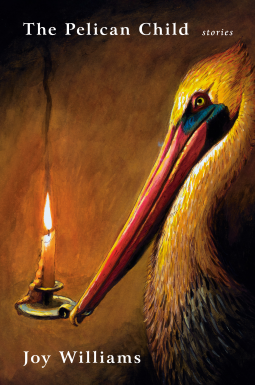
The Pelican Child
Stories
This title was previously available on NetGalley and is now archived.
Buy on Amazon
Buy on BN.com
Buy on Bookshop.org
*This page contains affiliate links, so we may earn a small commission when you make a purchase through links on our site at no additional cost to you.
Send NetGalley books directly to your Kindle or Kindle app
1
To read on a Kindle or Kindle app, please add kindle@netgalley.com as an approved email address to receive files in your Amazon account. Click here for step-by-step instructions.
2
Also find your Kindle email address within your Amazon account, and enter it here.
Pub Date Nov 18 2025 | Archive Date Dec 18 2025
Talking about this book? Use #ThePelicanChild #NetGalley. More hashtag tips!
Description
LONGLISTED FOR THE NATIONAL BOOK AWARD • FINALIST FOR THE PEN/JEAN STEIN BOOK AWARD • LONGLISTED FOR THE STORY PRIZE • NAMED A NOTABLE BOOK OF THE YEAR BY THE WASHINGTON POST • A razor-sharp new collection of stories of visionary childhood misfits and struggling adult dreamers from this legendary writer of “perfectly indescribable fiction . . . To read Williams is to look into the abyss” (The Atlantic).
“An American master is back with crystalline stories that map the personal and political minefields of her unmoored characters. Williams blends everyday dramas with surreal imagery, her voice and range inspiring awe.” —Boston Globe
“Night was best, for, as everyone knows but does not tell, the sobbing of the earth is most audible at night.” “Men are but unconscious machines and they perform their cruelties so effortlessly.” “Caring was a power she’d once possessed but had given up freely.” The sentences of Joy Williams are like no others—the coiled wit, the sense of a confused and ruined landscape, even the slight whisper of hope that lurks between the words—for the scrupulous effort of telling, in these stories, has a ravishing beauty that belies their subjects. We meet lost souls such as the twin sister heiresses of a dirty industrial fortune in “After the Haiku Period,” who must commit a violent act in recompense for their family’s deeds; in “Nettle,” we encounter a newly grown man who still revolves in a dreamscape of his childhood boarding-school innocence; and in the final story, we learn of the “pelican child” who lives with the “bony, ill-tempered” Baba Iaga “in a little hut on chicken legs.”
All of these characters insist on exploring an indifferent and caustic world. They struggle against our degradation of the climate and of each other, possibly in vain. But each brief, haunted triumph of understanding is celebrated by Williams, a writer for our time and all time.
“An American master is back with crystalline stories that map the personal and political minefields of her unmoored characters. Williams blends everyday dramas with surreal imagery, her voice and range inspiring awe.” —Boston Globe
“Night was best, for, as everyone knows but does not tell, the sobbing of the earth is most audible at night.” “Men are but unconscious machines and they perform their cruelties so effortlessly.” “Caring was a power she’d once possessed but had given up freely.” The sentences of Joy Williams are like no others—the coiled wit, the sense of a confused and ruined landscape, even the slight whisper of hope that lurks between the words—for the scrupulous effort of telling, in these stories, has a ravishing beauty that belies their subjects. We meet lost souls such as the twin sister heiresses of a dirty industrial fortune in “After the Haiku Period,” who must commit a violent act in recompense for their family’s deeds; in “Nettle,” we encounter a newly grown man who still revolves in a dreamscape of his childhood boarding-school innocence; and in the final story, we learn of the “pelican child” who lives with the “bony, ill-tempered” Baba Iaga “in a little hut on chicken legs.”
All of these characters insist on exploring an indifferent and caustic world. They struggle against our degradation of the climate and of each other, possibly in vain. But each brief, haunted triumph of understanding is celebrated by Williams, a writer for our time and all time.
Available Editions
| EDITION | Other Format |
| ISBN | 9780525657583 |
| PRICE | $27.00 (USD) |
| PAGES | 176 |
Available on NetGalley
NetGalley Reader
(EPUB)
NetGalley Shelf App
(EPUB)
Send to Kindle (EPUB)
Download (EPUB)
Available to Buy
Buy on Amazon Buy on BN.com Buy on Bookshop.org*This page contains affiliate links, so we may earn a small commission when you make a purchase through links on our site at no additional cost to you.
Average rating from 30 members
Readers who liked this book also liked:
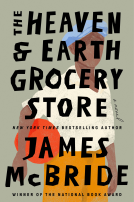
The Heaven & Earth Grocery Store
James McBride
General Fiction (Adult), Historical Fiction, Literary Fiction
James McBride
General Fiction (Adult), Historical Fiction, Literary Fiction
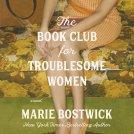
The Book Club for Troublesome Women
Marie Bostwick
Historical Fiction, Literary Fiction, Women's Fiction
Marie Bostwick
Historical Fiction, Literary Fiction, Women's Fiction

This Door of the Seas
Val McDermid; Jo Sharp
General Fiction (Adult), Historical Fiction, Literary Fiction
Val McDermid; Jo Sharp
General Fiction (Adult), Historical Fiction, Literary Fiction

How to See Like a Machine
Trevor Paglen
Arts & Photography, Computers & Technology, Politics & Current Affairs
Trevor Paglen
Arts & Photography, Computers & Technology, Politics & Current Affairs