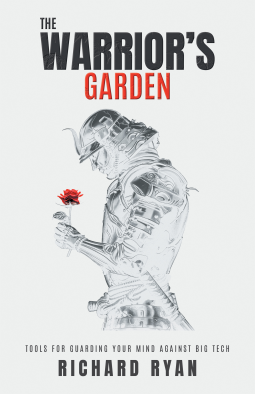
The Warrior's Garden
Tools for Guarding Your Mind Against Big Tech
This title was previously available on NetGalley and is now archived.
Send NetGalley books directly to your Kindle or Kindle app
1
To read on a Kindle or Kindle app, please add kindle@netgalley.com as an approved email address to receive files in your Amazon account. Click here for step-by-step instructions.
2
Also find your Kindle email address within your Amazon account, and enter it here.
Pub Date May 13 2025 | Archive Date Oct 15 2025
Scribe Media | Lioncrest Publishing
Description
In a world dominated by screens and algorithms, who is truly in control?
Every time you pick up the phone, you’re being manipulated. With every site you visit and post you make, your behavior is being tracked. Your habits are sold to the highest bidder—and you’ve probably provided them with your uninformed consent.
Richard Ryan, a seasoned tech insider, unveils the hidden dynamics between you and Big Tech in The Warrior’s Garden. Rather than a call to abandon all devices, this book is a challenge to recognize how platforms like YouTube and Facebook subtly shape behavior and monopolize attention. Richard guides you through a personal assessment of your digital habits, offering tools to reclaim your time and mental space.
With insights drawn from Richard’s years of experience in tech and media, The Warrior’s Garden empowers you to navigate the digital landscape with awareness and intention. Discover the art of digital balance and protect what truly matters with this must-read guide for becoming a conscious consumer of digital content.
Available Editions
| ISBN | 9781544548067 |
| PRICE | |
Available on NetGalley
Available to Buy
Buy on Amazon Buy on BN.com Buy on Bookshop.orgAverage rating from 4 members
Featured Reviews
 Lauren B, Reviewer
A good, practical reminder about what matters most in the world. Full of clear and direct writing and short chapters that helped make this a fast read. Nothing really truly new from a content perspective, but I liked how this was framed and found the authors background to be a nice contribution. Thanks to NetGalley, the author, and the publisher for this ARC. 4.5/5
 Reviewer 294918
Richard presents a practical and philosophical guide to resisting digital exploitation and reclaiming mental autonomy. Drawing on his experience as a tech developer, media executive, and content creator, he reveals how social media platforms manipulate users through addictive design and profit-driven algorithms.
The book is structured around a “toolbox” of practices: self-reflection to recognize unhealthy habits, defining personal values, detoxing from digital overload, adding friction to curb compulsive use, building accountability systems, fostering real-world community, and cultivating gratitude. Richard emphasizes that small, deliberate choices—“ounces equal pounds”—can protect mental well-being and create ripple effects in families and communities.
A centerpiece of the book is the Thirty-Day Challenge, a structured program of tracking screen-time, journaling, and gratitude practices to help readers reset their dopamine balance and establish healthier digital habits.
What distinguishes Richard’s work is his blend of insider insight, candid personal anecdotes, and a hopeful, nonjudgmental tone. Rather than demonizing technology, he advocates intentional use. The book’s central metaphor—tending the mind like a garden—captures its essence: with vigilance, care, and community, individuals can thrive amidst the challenges of the digital age.
 William D, Reviewer
I heard about The Warrior's Garden by Richard Ryan through Jack Carr's podcast, so I decided to seek out this book. What I found was an honest and upfront treatment of this all-important topic of the addictive qualities of technology/devices and society's digital media consumption. Ryan has a very straightforward and informed approach, yet also a friendly and likable writing style. Ryan does a great job of challenging the reader, while at the same time not chastising them for the addictive characteristics that have come from algorithms and big tech. Highly recommended! I would suggest reading this book along with or shortly after The Anxious Generation by Jonathan Haidt.
Readers who liked this book also liked:




Christopher M. Faulkner; Raphael Parens; Colin P. Clarke
History, Nonfiction (Adult), Politics & Current Affairs







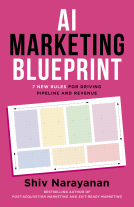
Shiv Narayanan
Business, Leadership, Finance, Nonfiction (Adult), Professional & Technical