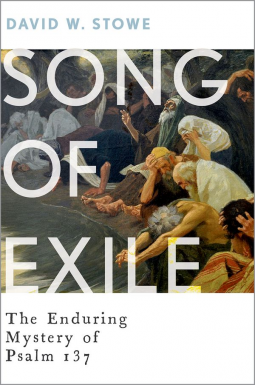
Song of Exile
The Enduring Mystery of Psalm 137
This title was previously available on NetGalley and is now archived.
Buy on Amazon
Buy on BN.com
Buy on Bookshop.org
*This page contains affiliate links, so we may earn a small commission when you make a purchase through links on our site at no additional cost to you.
Send NetGalley books directly to your Kindle or Kindle app
1
To read on a Kindle or Kindle app, please add kindle@netgalley.com as an approved email address to receive files in your Amazon account. Click here for step-by-step instructions.
2
Also find your Kindle email address within your Amazon account, and enter it here.
Pub Date May 2 2016 | Archive Date Apr 7 2016
Description
Oft-referenced and frequently set to music, Psalm 137 - which begins "By the rivers of Babylon, there we sat down, yea, we wept, when we remembered Zion" - has become something of a cultural touchstone for music and Christianity across the Atlantic world. It has been a top single more than once in the 20th century, from Don McLean's haunting Anglo-American folk cover to Boney M's West Indian disco mix. In Song of Exile, David Stowe uses a wide-ranging, interdisciplinary approach that combines personal interviews, historical overview, and textual analysis to demonstrate the psalm's enduring place in popular culture.
The line that begins Psalm 137 - one of the most lyrical of the Hebrew Bible - has been used since its genesis to evoke the grief and protest of exiled, displaced, or marginalized communities. Despite the psalm's popularity, little has been written about its reception during the more than 2,500 years since the Babylonian exile. Stowe locates its use in the American Revolution and the Civil Rights movement, and internationally by anti-colonial Jamaican Rastafari and immigrants from Ireland, Korea, and Cuba. He studies musical references ranging from the Melodians' Rivers of Babylon to the score in Kazakh film Tulpan.
Stowe concludes by exploring the presence and absence in modern culture of the often-ignored final words: "Happy shall he be, that taketh and dasheth thy little ones against the stones." Usually excised from liturgy and forgotten by scholars, Stowe finds these words echoed in modern occurrences of genocide and ethnic cleansing, and more generally in the culture of vengeance that has existed in North America from the earliest conflicts with Native Americans.
Based on numerous interviews with musicians, theologians, and writers, Stowe reconstructs the rich and varied reception history of this widely used, yet mysterious, text.
The line that begins Psalm 137 - one of the most lyrical of the Hebrew Bible - has been used since its genesis to evoke the grief and protest of exiled, displaced, or marginalized communities. Despite the psalm's popularity, little has been written about its reception during the more than 2,500 years since the Babylonian exile. Stowe locates its use in the American Revolution and the Civil Rights movement, and internationally by anti-colonial Jamaican Rastafari and immigrants from Ireland, Korea, and Cuba. He studies musical references ranging from the Melodians' Rivers of Babylon to the score in Kazakh film Tulpan.
Stowe concludes by exploring the presence and absence in modern culture of the often-ignored final words: "Happy shall he be, that taketh and dasheth thy little ones against the stones." Usually excised from liturgy and forgotten by scholars, Stowe finds these words echoed in modern occurrences of genocide and ethnic cleansing, and more generally in the culture of vengeance that has existed in North America from the earliest conflicts with Native Americans.
Based on numerous interviews with musicians, theologians, and writers, Stowe reconstructs the rich and varied reception history of this widely used, yet mysterious, text.
Available Editions
| EDITION | Other Format |
| ISBN | 9780190466831 |
| PRICE | $26.95 (USD) |
Available to Buy
Buy on Amazon Buy on BN.com Buy on Bookshop.org*This page contains affiliate links, so we may earn a small commission when you make a purchase through links on our site at no additional cost to you.
Average rating from 3 members
Readers who liked this book also liked:

AI Marketing Blueprint
Shiv Narayanan
Business, Leadership, Finance, Nonfiction (Adult), Professional & Technical
Shiv Narayanan
Business, Leadership, Finance, Nonfiction (Adult), Professional & Technical