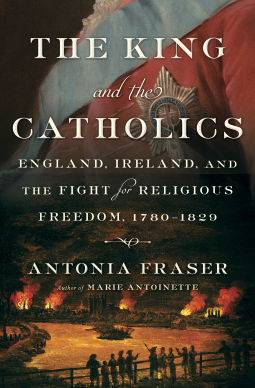
The King and the Catholics
England, Ireland, and the Fight for Religious Freedom, 1780-1829
This title was previously available on NetGalley and is now archived.
Send NetGalley books directly to your Kindle or Kindle app
1
To read on a Kindle or Kindle app, please add kindle@netgalley.com as an approved email address to receive files in your Amazon account. Click here for step-by-step instructions.
2
Also find your Kindle email address within your Amazon account, and enter it here.
Pub Date Sep 25 2018 | Archive Date Oct 9 2018
Doubleday Books | Nan A. Talese
Talking about this book? Use #TheKingAndTheCatholics #NetGalley. More hashtag tips!
Description
The Gordon Riots marked a crucial turning point in the fight for Catholic emancipation. Over the next fifty years, factions battled to reform the laws of the land. Kings George III and George IV refused to address the “Catholic Question,” even when pressed by their prime ministers. But in 1829, through the dogged work of charismatic Irish lawyer Daniel O’Connell and the support of the great Duke of Wellington, the watershed Roman Catholic Relief Act finally passed, opening the door to the radical transformation of the Victorian age. Gripping, spirited, and incisive, The King and the Catholics is character-driven narrative history at its best, reflecting the dire consequences of state-sanctioned oppression—and showing how sustained political action can triumph over injustice.
Available Editions
| EDITION | Other Format |
| ISBN | 9780385544528 |
| PRICE | $29.95 (USD) |
| PAGES | 320 |
Available to Buy
Buy on Amazon Buy on BN.com Buy on Bookshop.orgAverage rating from 6 members
Readers who liked this book also liked:








Katherine Mansfield
Essays & Collections, General Fiction (Adult)